OpenTelemetry reaches CNCF graduation status while Kubernetes evolves new primitives for AI inference orchestration, marking a convergence of observability standards and GPU workload scheduling.
The cloud native ecosystem faces structural transformation in 2026 driven by the Ingress-NGINX retirement, OpenTelemetry graduation, and AI workload storage demands.
Major announcements from Kubernetes, AWS, and Google Cloud converge on a single narrative: Kubernetes is becoming the operating system for autonomous agents, massive-scale inference, and AI-native infrastructure.
AWS EKS Auto Mode gets major performance improvements: 39% faster node boot, 43% faster scale-out, and new networking features—all applied automatically. Plus containerd security patches and Helm updates.
AWS and Google Cloud both shipped major Kubernetes performance improvements this month, from 39% faster EKS Auto Mode node boots to GKE standby buffers that cut over-provisioning costs by 90%. Meanwhile, Agent Sandbox went GA and a new Cluster API plugin brings visual lifecycle management to Headlamp.
Cloudflare introduces AI Gateway spend limits with identity-driven budgets, Envoy releases v1.38.1 with critical HTTP/2 and OAuth2 security fixes, and Prometheus ships v3.12.0 with new PromQL functions and TSDB performance gains.
Cloud Native in June 2026: AI inference workloads on Kubernetes, Confidential Containers with Kyverno, the Gateway API transition, and the latest from Prometheus and k6.
CNCF announced OpenTelemetry's graduation on May 21, 2026, cementing it as the de facto observability standard for cloud native infrastructure. The milestone arrives alongside new releases from k6, Prometheus, and expanding GenAI telemetry conventions.
OpenTelemetry graduates from CNCF, k6 2.0 introduces AI-assisted testing workflows, Prometheus 3.12 patches security vulnerabilities, and Kubernetes policy enforcement shifts left.
The CNCF ecosystem is being re-architected for AI workloads — from Fluid’s 30-second LLM cold starts to OpenTelemetry’s GenAI observability standards, Cloudflare’s agent sandboxes, and k6 2.0’s AI-assisted testing.
Kubernetes is evolving into the operating system for the AI era, with new GKE Agent Sandbox, Dynamic Resource Allocation, and AI-powered GitOps operations leading the charge across the ecosystem.
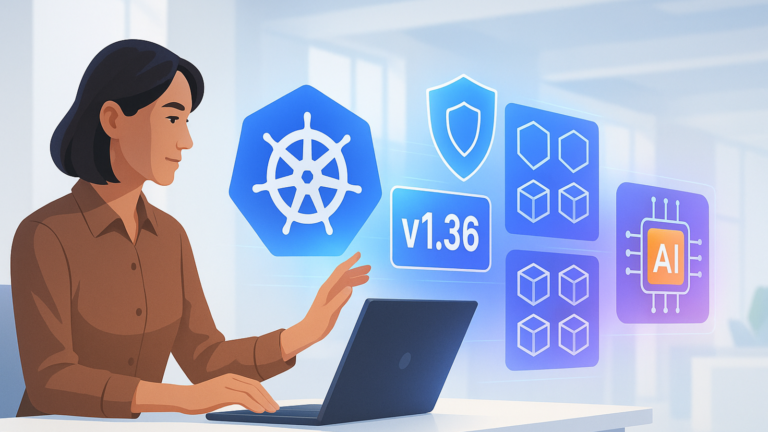
Kubernetes v1.36 brings 80 tracked enhancements including 18 stable features like user namespaces, mutating admission policies, and OCI VolumeSource. With security hardening, AI/ML workload improvements, and operational simplifications, this April 2026 release is a must-upgrade for platform engineering teams.
Kubernetes 1.36 drops April 22 with 80 enhancements including stable user namespaces, OCI VolumeSource, and the retirement of Ingress NGINX. Plus: CNCF warns that Kubernetes alone isn't enough to secure LLM workloads.
Kubernetes 1.36 brings 22 security enhancements, ProtoMessage method removal, and production hardening aligned with NSA/CISA guidelines. Explore the security improvements, observability enhancements, and Nutanix NKP Metal's bare-metal Kubernetes capabilities.
Six key takeaways from Amsterdam show cloud-native has moved decisively from experimentation to execution - with AI workloads, data sovereignty, and platform engineering dominating the conversation.
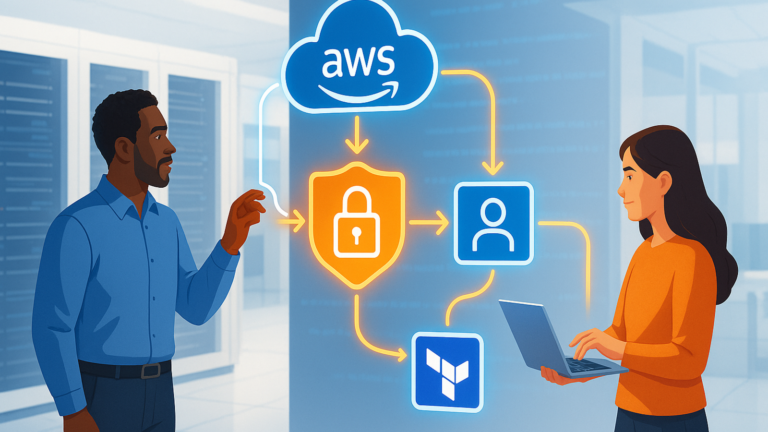
AWS temporary permission delegation for HCP Terraform reaches general availability, enabling just-in-time AWS access with dynamic provider credentials for streamlined infrastructure automation.
From Open Source contributions to Azure Service updates, Microsoft made significant waves at KubeCon + CloudNativeCon Europe 2026 in Amsterdam.
Internal developer platforms are maturing from catalogs to paved roads with guardrails. The difference is product thinking—and metrics.