Agentic AI is no longer experimental. With Microsoft IQ, the MCP protocol standardizing tool connectivity, and enterprise budgets shifting from RPA to autonomous systems, June 2026 marks the moment agentic AI becomes a production-grade capability.
Google I/O 2026 declared the agentic era with Gemini Spark and 3.5 Flash. OpenAI shipped self-improving Codex agents, Mistral rebranded to Vibe, and Cohere open-sourced Command A+. Meanwhile, the ITBench-AA benchmark reveals frontier models still score below 50% on real enterprise tasks. The agentic era is here—but the gap between demo and deployment remains wide.
Agentic AI crosses from research to production: OpenAI's model disproves an 80-year math conjecture, Codex expands to mobile and on-prem, IBM and Hugging Face launch the Open Agent Leaderboard, NVIDIA unveils the Vera Rubin platform for agentic inference, and Google commits $15B to global AI infrastructure.
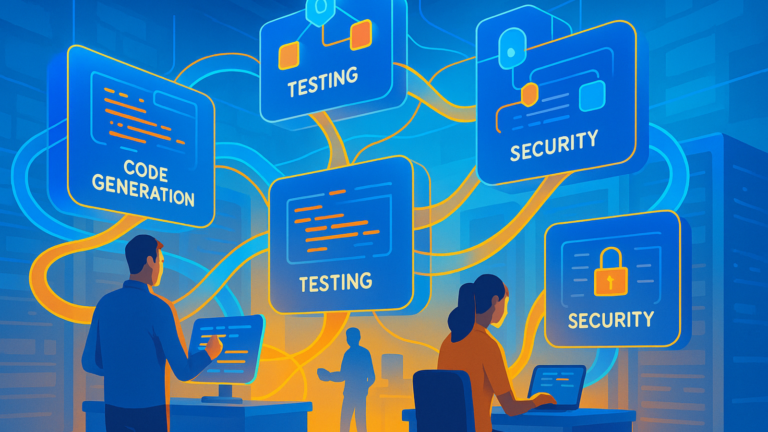
By end of 2026, 40% of enterprise applications will embed AI agents. Explore the multi-agent frameworks, A2A protocol, security challenges, and practical applications of agentic AI in software development.
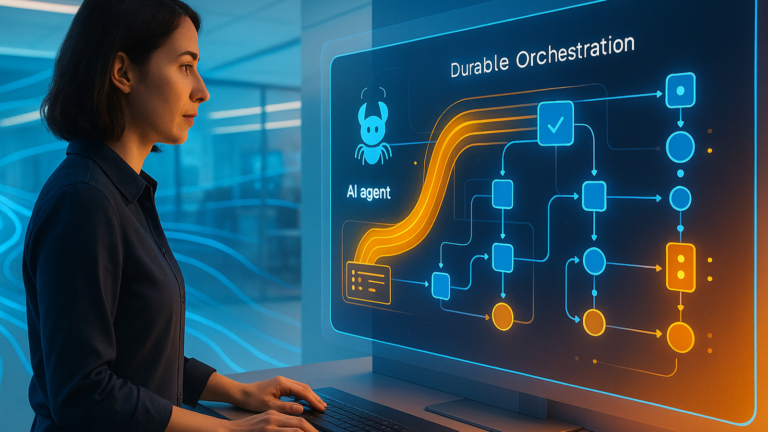
OpenClaw 2026.4.2 restores the Task Flow substrate with managed-vs-mirrored sync modes, durable flow state tracking, and inspection/recovery primitives for reliable background orchestration.
OpenClaw's March 2026 release removes nodes.run, hardens plugin security, and restructures background tasks into a proper control plane.
GitHub now displays AI agent sessions directly in issue sidebars and project views, letting teams track when Copilot, Claude, or Codex agents are working on issues.
Learn how to configure and use Model Context Protocol (MCP) servers to extend OpenClaw's capabilities with external tools and APIs.