CircleCI launches agent-first microVM sidecars, GitHub adds coverage merge protection rules, Argo CD v3.5 and Flux v2.9 ship enterprise hardening features, and HashiCorp connects Terraform to AI agents via MCP — June 2026 shows DevOps tooling is being rebuilt for agentic coding workflows.
In 2026, the conversation around AI-assisted operations has shifted from writing better prompts to designing loops that run without human intervention. Here is how platform engineering and GitOps are converging to make that possible.
The DevOps and Platform Engineering space is undergoing one of its most significant shifts in years. In May 2026, major tooling vendors and open source projects are converging on a common theme: AI-powered development workflows must be paired with robust validation, infrastructur
A comprehensive guide to the agentic AI framework landscape in 2026. From LangGraph to CrewAI to OpenAI Agents SDK, we examine the trade-offs, use cases, and production considerations for building autonomous multi-agent systems.
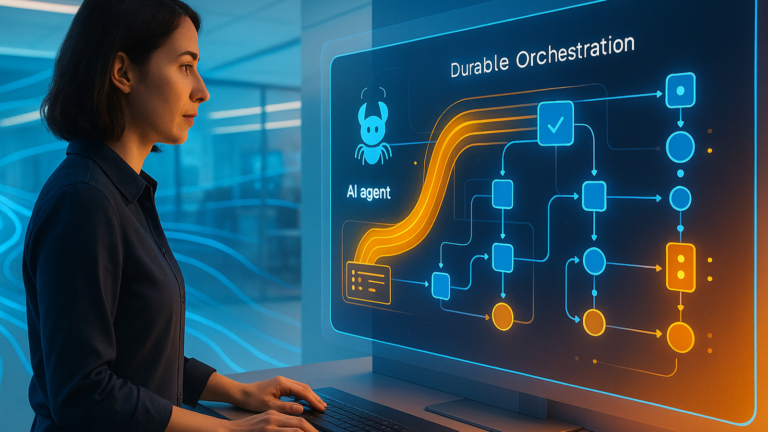
OpenClaw 2026.4.2 restores the Task Flow substrate with managed-vs-mirrored sync modes, durable flow state tracking, and inspection/recovery primitives for reliable background orchestration.
OpenClaw's March 2026 release removes nodes.run, hardens plugin security, and restructures background tasks into a proper control plane.
Ollama now ships with web search/fetch plugins for OpenClaw and introduces headless mode for CI/CD and automation workflows.
GitHub's March 2026 Actions update brings long-awaited cron timezone support and granular environment deployment controls.
OpenClaw 2026.3.13 introduces official Chrome DevTools MCP attach mode for debugging live browser sessions directly from your AI agent.
A practical, ops-friendly guide to running multiple OpenClaw agents safely: isolate sessions, schedule cron jobs, route delivery (WhatsApp/webchat), and add guardrails so automation stays predictable.
AWS demonstrates migrating an EC2-hosted app to ECS Express Mode using Kiro CLI plus AWS/ECS MCP servers. Beyond the tutorial, this is a blueprint for ‘operator copilots’ that can discover, plan, validate, and execute infrastructure changes with guardrails.
GitHub’s workflow dispatch API can now return run metadata, eliminating brittle polling and guesswork in automation. Here’s why it matters for platform teams building ChatOps, self-service, and internal developer portals.
OpenClaw 2026.2.15 focuses on better human-in-the-loop UX (especially on Discord) and stronger safety/operability guardrails. Here’s what’s new—and concrete ways teams can use it.
OpenTofu’s new -json-into flag streams machine-readable events without sacrificing the human CLI UX. It’s a small UX change with big implications for CI/CD, policy checks, and developer experience.
Anthropic says Opus 4.6 improves agentic coding, computer use, tool use, search, and finance. For infrastructure teams, that combination points to a new kind of ops automation—if you build guardrails first.