
AI
Backstage v1.50: What’s New in the Platform Engineering Standard
The first v1.50 preview release brings table pagination labels, improved entity relation cards, and BUI component migrations - here's how to upgrade your developer portal.
The first v1.50 preview release brings table pagination labels, improved entity relation cards, and BUI component migrations - here's how to upgrade your developer portal.

Six key takeaways from Amsterdam show cloud-native has moved decisively from experimentation to execution - with AI workloads, data sovereignty, and platform engineering dominating the conversation.

Kubernetes v1.36 arrives late April 2026 with notable deprecations including Ingress NGINX retirement, API removals, and exciting new enhancements across storage, security, and networking.

Kubernetes 1.36 preview shows DRA hardware maintenance support and Linux User Namespaces graduating to GA for April 2026 release.
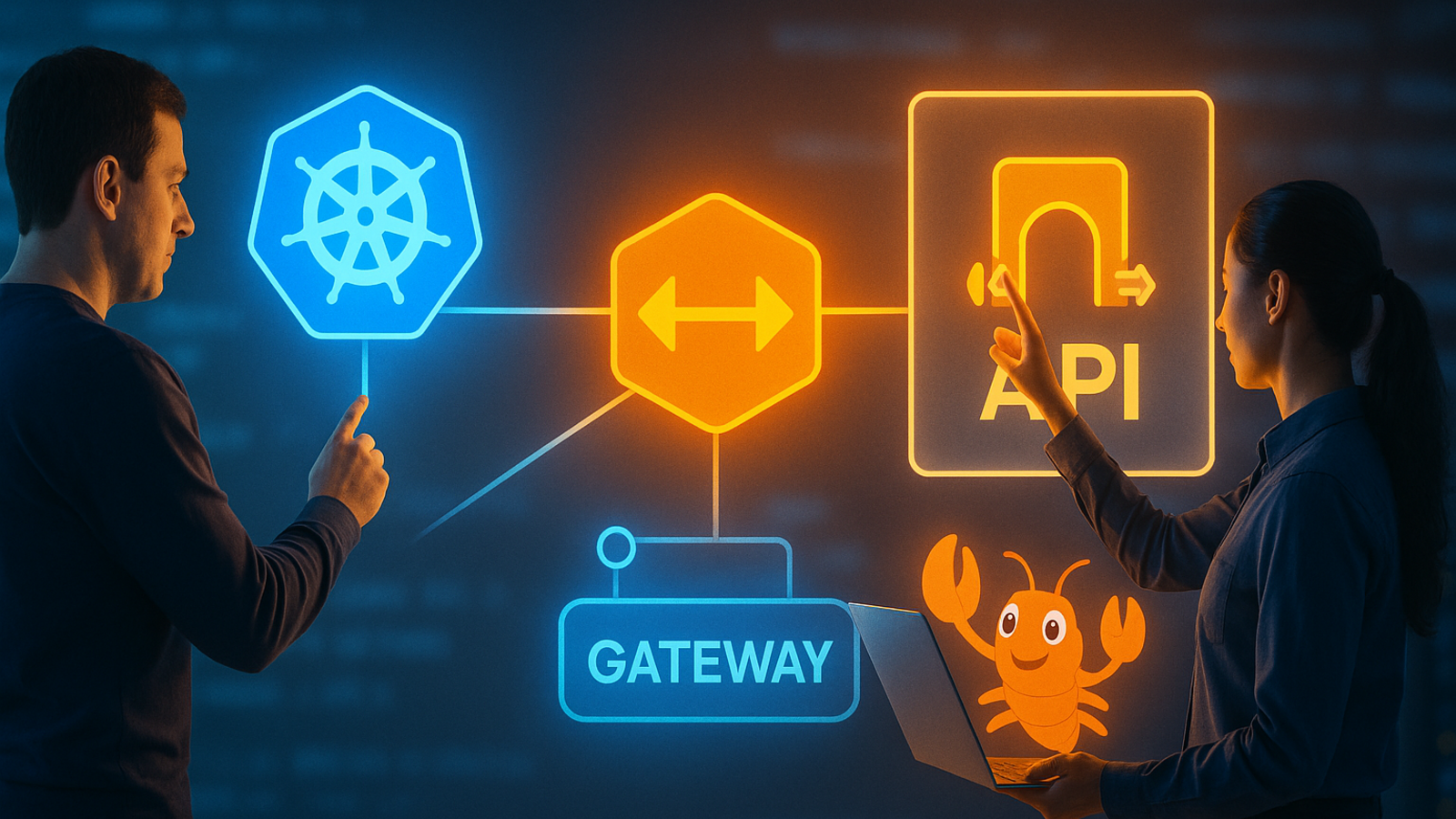
The Kubernetes Gateway API migration tool hits 1.0, offering a GA path off legacy Ingress for WordPress hosts and modern cluster operators.
OpenTelemetry has added experimental support for profiles, extending its observability capabilities into continuous profiling. Learn about the new OTel Profiles approach and what it means for understanding code-level performance.
After six months in public preview, GitHub custom images for GitHub-hosted runners are now generally available. Organizations can now define pre-configured VM images with tools and dependencies baked in.
GitHub has launched a public preview of its redesigned pull requests dashboard at github.com/pulls, introducing a PR inbox, saved views, and powerful filtering capabilities.

Harbor Dragonfly ModelPack and ORAS projects collaborate on cloud-native ML artifact management.
SIG Network releases official migration tool with 30 plus annotation support and integration testing.

Cloud-native infrastructure projects Harbor, Dragonfly, and ORAS unite to solve massive AI artifact distribution challenges.

Argo Rollouts graduates to General Availability, bringing stable APIs and production-ready progressive delivery capabilities for Kubernetes deployments.
Kubernetes v1.30 brings Dynamic Resource Allocation to GA, improved Pod Security Standards, and enhanced memory QoS—key updates for platform engineering teams.
AWS introduces session policies for EKS Pod Identity, enabling dynamic IAM permission scoping without creating additional roles—solving multi-tenant permission challenges.
Kubernetes v1.30 introduces the PodLifecycleSleepAction feature, providing configurable sleep windows during pod termination to prevent dropped connections and request failures.

The CNCF introduces ModelPack, an open standard for packaging and managing AI model artifacts in container registries, bridging the gap between ML pipelines and Kubernetes operations.

F5 upgrades to CNCF Gold Membership, strengthening collaboration on OpenTelemetry, Gateway API, and secure cloud-native networking infrastructure.

Higress joins CNCF Sandbox, offering unified Ingress Controller and AI gateway capabilities built on Envoy and Istio for enterprise workloads.

AWS EKS introduces session policies for Pod Identity, enabling fine-grained IAM permission scoping without creating additional IAM roles.

From Open Source contributions to Azure Service updates, Microsoft made significant waves at KubeCon + CloudNativeCon Europe 2026 in Amsterdam.
