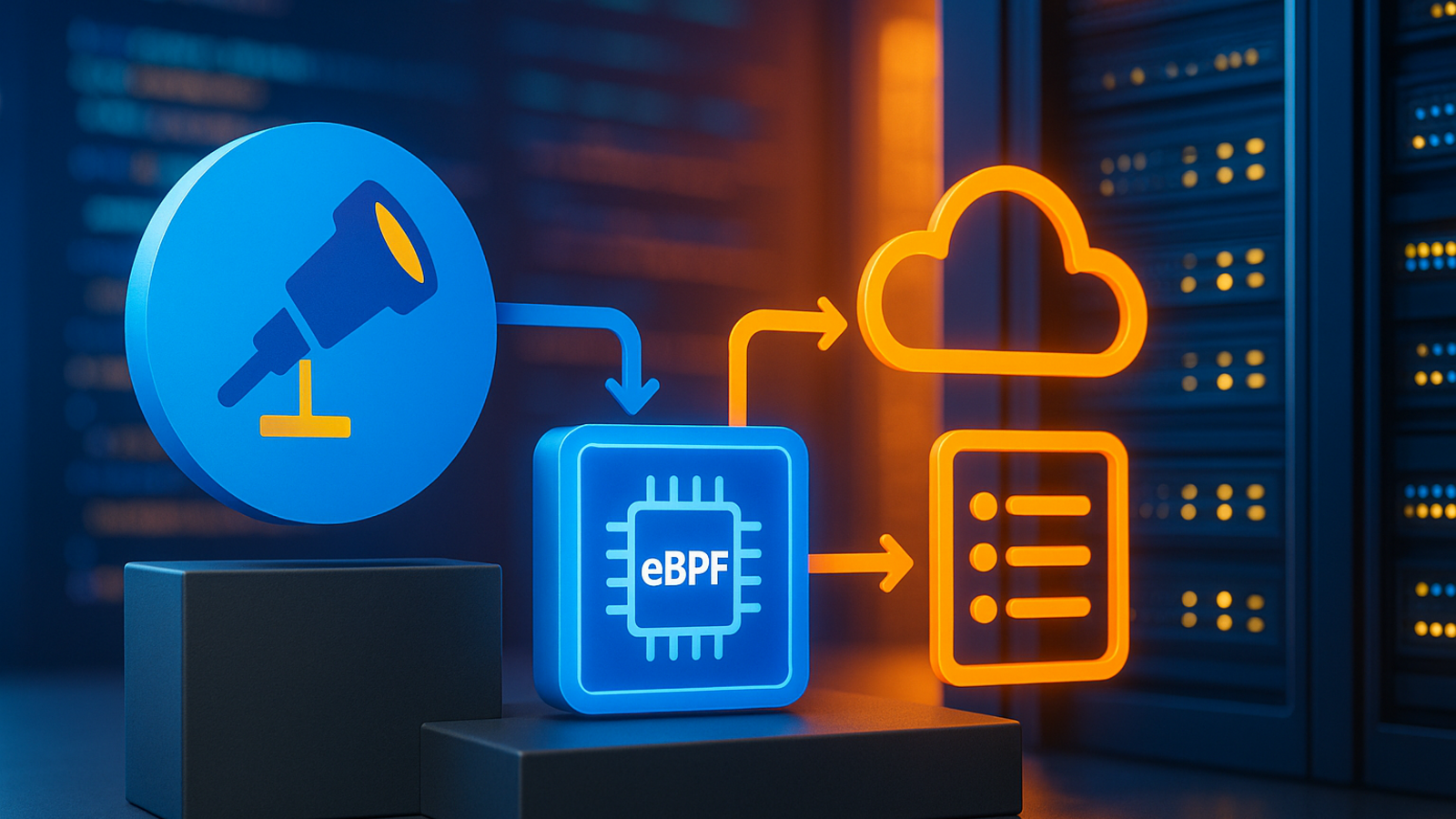
OpenTelemetry’s eBPF instrumentation (OBI) is now shipping an initial release, pushing the ecosystem toward low-friction, kernel-level telemetry—especially for large fleets where manual instrumentation doesn’t scale. Here’s what eBPF-based signals are good for, where they’re risky, and how to roll them out safely in production.
Kubernetes keeps expanding its surface area—CRDs, admission policies, Gateway API, and now inference-focused extensions. SIG Architecture’s API Governance work is the quiet mechanism that keeps innovation moving without breaking users. Here’s what ‘API governance’ means in practice, and how platform teams can adopt the same discipline internally.
OpenStack’s 2026.1 release series (‘Gazpacho’) is tracking toward an April 2026 initial release, with SLURP upgrade guarantees shaping how operators should plan rollouts. Here’s what the release series table really tells you, how to map it to your internal maintenance windows, and where the OpenInfra community’s ‘digital sovereignty’ messaging intersects with real operations.
SpinKube runs Spin WebAssembly apps on Kubernetes without containers, using a containerd shim and Kubernetes primitives. Pairing it with the Gateway API gives teams a cleaner, role-oriented way to expose WASM services without annotation sprawl.
EKS Capabilities package Argo CD, AWS Controllers for Kubernetes (ACK), and Kube Resource Orchestrator (kro) as managed, Kubernetes-native building blocks. Here’s what changes when platform teams can compose AWS resources and Kubernetes resources behind custom APIs — without running the controllers themselves.
OpenTelemetry’s eBPF Instrumentation project (OBI) just hit its first release. That’s a milestone for low-overhead, zero-code observability—but it also raises new questions about privilege, fleet rollout, and data governance.
AWS is packaging common platform components (GitOps and infrastructure orchestration) as managed, Kubernetes-native ‘capabilities’ for Amazon EKS. Here’s what it changes for day-2 ops, how it compares to rolling your own controllers, and what to watch before you standardize on it.
Harbor is easy to install, hard to productionize. Here’s a practical checklist for HA, storage, signing/scanning, and day-2 ops when Harbor becomes your cluster’s artifact backbone.
Logs are expensive because repetition is free to emit and costly to store. The OTel Collector’s log deduplication processor offers a new middle path: compress noise at ingest while preserving incident context.
OpenStack’s 6‑month cycles continue into 2026 (Gazpacho, Hibiscus), but the bigger story is OpenInfra’s positioning: open source infrastructure as a foundation for digital sovereignty and AI-era resilience.
Kubernetes v1.35 continues a trend: clusters are increasingly asked to run mixed AI workloads (training, batch, and latency-sensitive inference) alongside traditional services. Here’s what’s new that matters for platform teams—especially around scheduling, resizing, and safer config workflows.
OpenTelemetry is now mainstream, and the project’s own ‘2025 year in review’ highlights a less-discussed scaling story: documentation localization, contributor growth, and the operational maturity required when observability becomes an industry baseline.
AWS published a reference controller that connects Amazon Application Recovery Controller (ARC) zonal shifts to Karpenter node pools. Here’s what the integration changes operationally, how it works under the hood, and how to adopt it safely in production EKS.
Cloudflare’s February 20, 2026 incident withdrew customer BYOIP routes via BGP. The postmortem is a masterclass in failure domains for ‘network-as-code.’ Here are the actionable cloud-native lessons for change management, blast radius, and rollback.
AWS shows how to wire Amazon Application Recovery Controller’s zonal shift signals into Karpenter so clusters stop provisioning into a degraded AZ. Here’s why it matters, how it works, and what platform teams should standardize.
CNCF’s ‘Agentics Day: MCP + Agents’ points to a new infrastructure layer: standardized model-to-tool connections under neutral governance. Here’s what platform teams should expect—and what to prototype now.
OpenInfra is increasingly framing OpenStack and adjacent projects as ‘sovereign infrastructure’ in the AI era. Stewardship—not ownership—may be the governance model that keeps these platforms relevant.
A quiet but important trend: vendors are shifting OpenTelemetry collector distribution to CDNs. That changes reliability, patch velocity, and how platform teams should govern observability agents.
Helm v4.1.1 is a patch release, but it’s a good excuse to revisit how chart supply chains, plugin sprawl, and CI-driven upgrades actually break production. Here’s a pragmatic operator playbook.
Kubernetes’ new Node Readiness Controller proposes a more realistic model for node health—one that reflects the dependencies modern clusters rely on. Here’s what it is, why it matters, and how to plan adoption without breaking workloads.