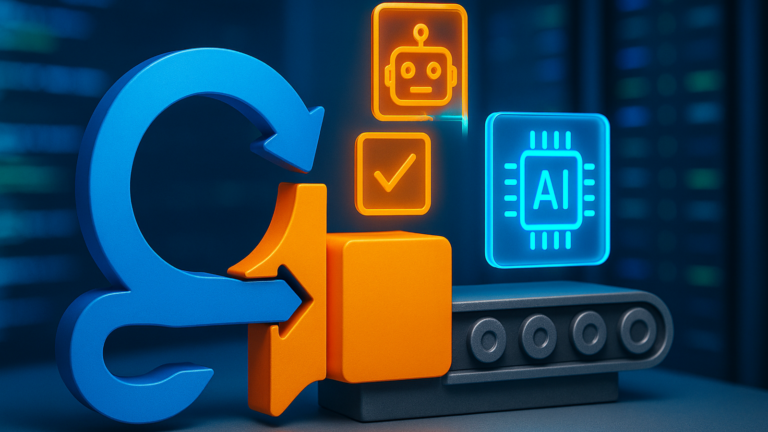
AI coding agents are generating code faster than teams can validate it. This week CircleCI, GitHub, FluxCD, and Dynatrace all released updates pointing to the same shift: a new agent validation layer is emerging between AI agents and traditional CI/CD pipelines.
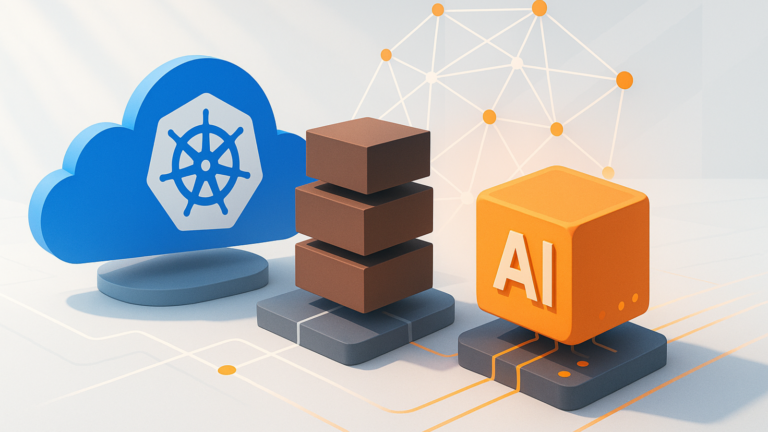
Kubernetes security reaches maturity with corrected CVE records for unfixed architectural vulnerabilities, while Google, AWS, and Red Hat race to position Kubernetes as the AI infrastructure engine. Plus: containerd 2.3.1 and Helm v4.2.0 release updates.
Cloud Native in June 2026: AI inference workloads on Kubernetes, Confidential Containers with Kyverno, the Gateway API transition, and the latest from Prometheus and k6.
From AI adoption metrics and hard security budgets to OpenTelemetry's CNCF graduation and OpenTofu 1.12, the DevOps ecosystem is maturing rapidly in 2026.
Inference has overtaken training as the dominant AI workload. Here's how enterprises are rethinking infrastructure for cost, latency, and sovereignty in 2026.
Google I/O 2026 declared the agentic era with Gemini Spark and 3.5 Flash. OpenAI shipped self-improving Codex agents, Mistral rebranded to Vibe, and Cohere open-sourced Command A+. Meanwhile, the ITBench-AA benchmark reveals frontier models still score below 50% on real enterprise tasks. The agentic era is here—but the gap between demo and deployment remains wide.