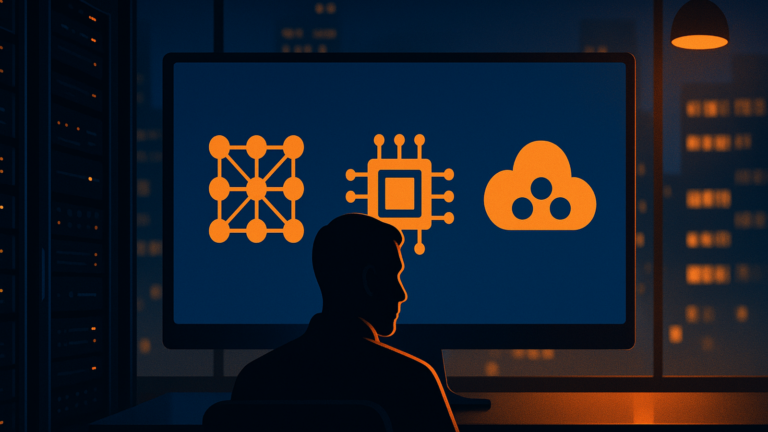
AWS and the vLLM community describe multi-LoRA serving for Mixture-of-Experts models, with kernel and execution optimizations that let many fine-tuned variants share a single GPU. The pitch: higher utilization, better latency, and a clearer path to serving ‘dozens of models’ without dozens of endpoints.
vLLM 0.16.0 landed with ROCm-focused fixes and ongoing production hardening. Even when a release looks incremental, inference runtimes are now platform-critical dependencies—affecting cost, reliability, and model portability.
OpenTelemetry’s eBPF Instrumentation project (OBI) just hit its first release. That’s a milestone for low-overhead, zero-code observability—but it also raises new questions about privilege, fleet rollout, and data governance.
Cloudflare says one engineer and an AI model rebuilt a drop-in Next.js replacement on Vite (vinext) in a week—with big build-time and bundle-size claims. Whether or not the benchmarks hold for every app, the real story is how AI is compressing framework and platform rewrites.
Flux 2.8 GA ships with Helm v4 support, bringing server-side apply and kstatus-based health checking to Helm releases. Here’s why that’s bigger than it sounds—and how platform teams should approach the upgrade.
AWS is packaging common platform components (GitOps and infrastructure orchestration) as managed, Kubernetes-native ‘capabilities’ for Amazon EKS. Here’s what it changes for day-2 ops, how it compares to rolling your own controllers, and what to watch before you standardize on it.
vLLM 0.16.0 isn’t a routine release. It signals a shift toward higher-throughput, more interactive open model serving—plus the operational primitives (sync, pause/resume) teams need for RLHF and agentic workloads.
GitHub is tightening the screws on enterprise governance: enterprise-defined custom org roles are GA, and IP allow lists now extend deeper into EMU user namespaces. Here’s what it changes for platform teams.
Harbor is easy to install, hard to productionize. Here’s a practical checklist for HA, storage, signing/scanning, and day-2 ops when Harbor becomes your cluster’s artifact backbone.
Logs are expensive because repetition is free to emit and costly to store. The OTel Collector’s log deduplication processor offers a new middle path: compress noise at ingest while preserving incident context.