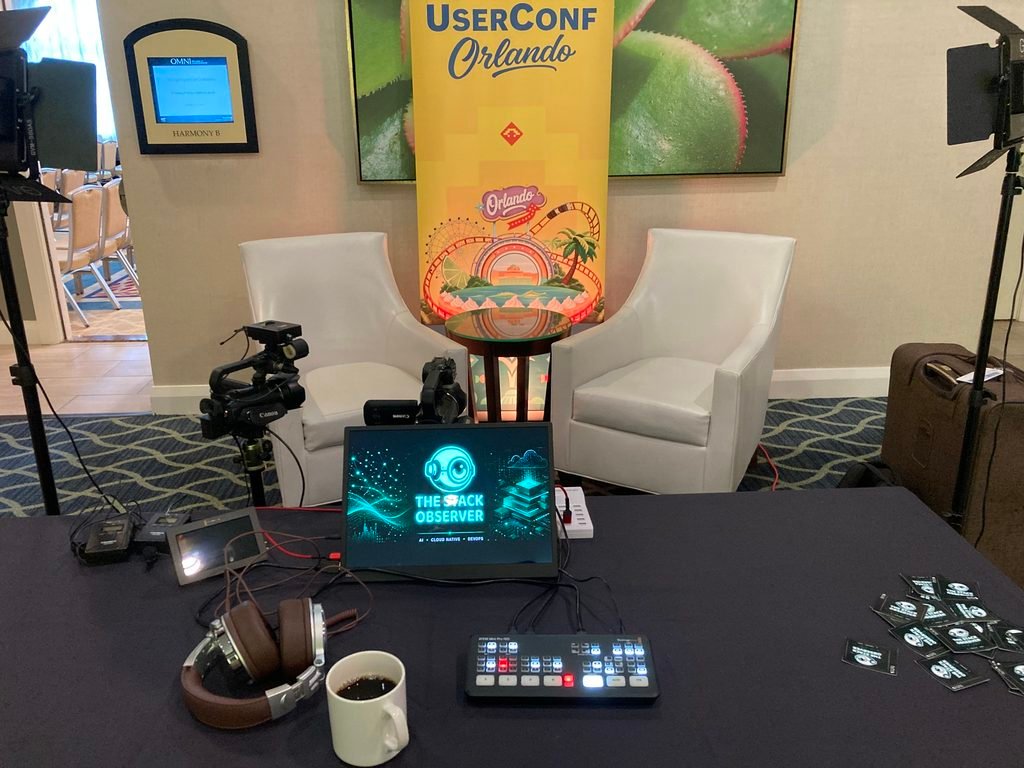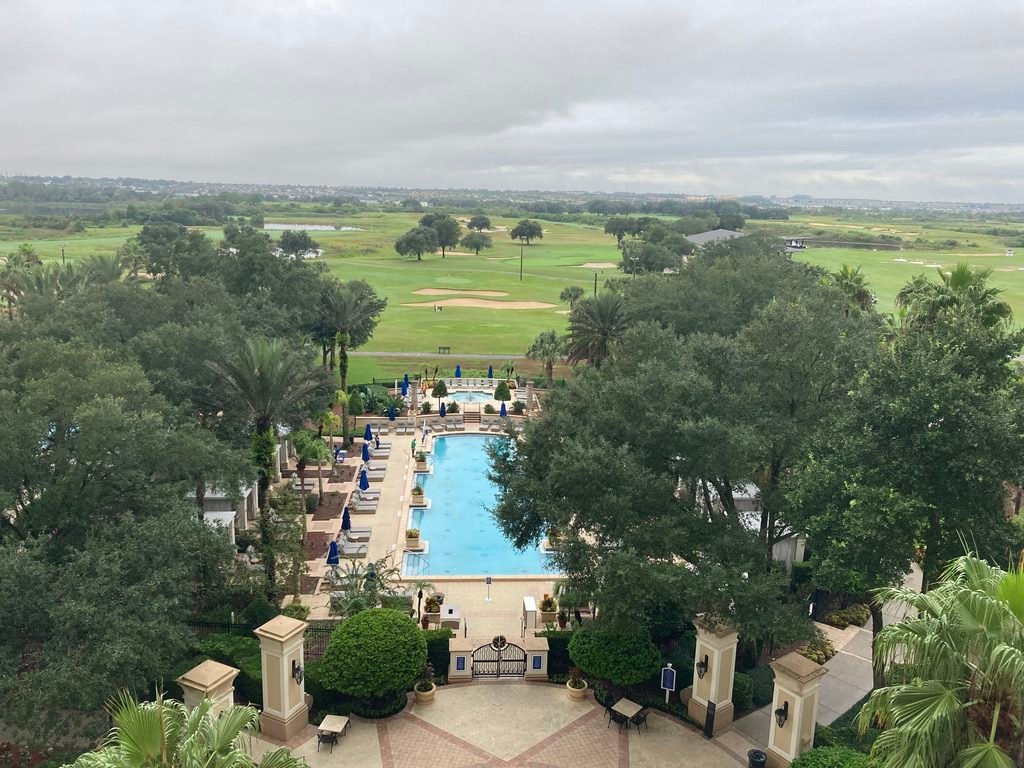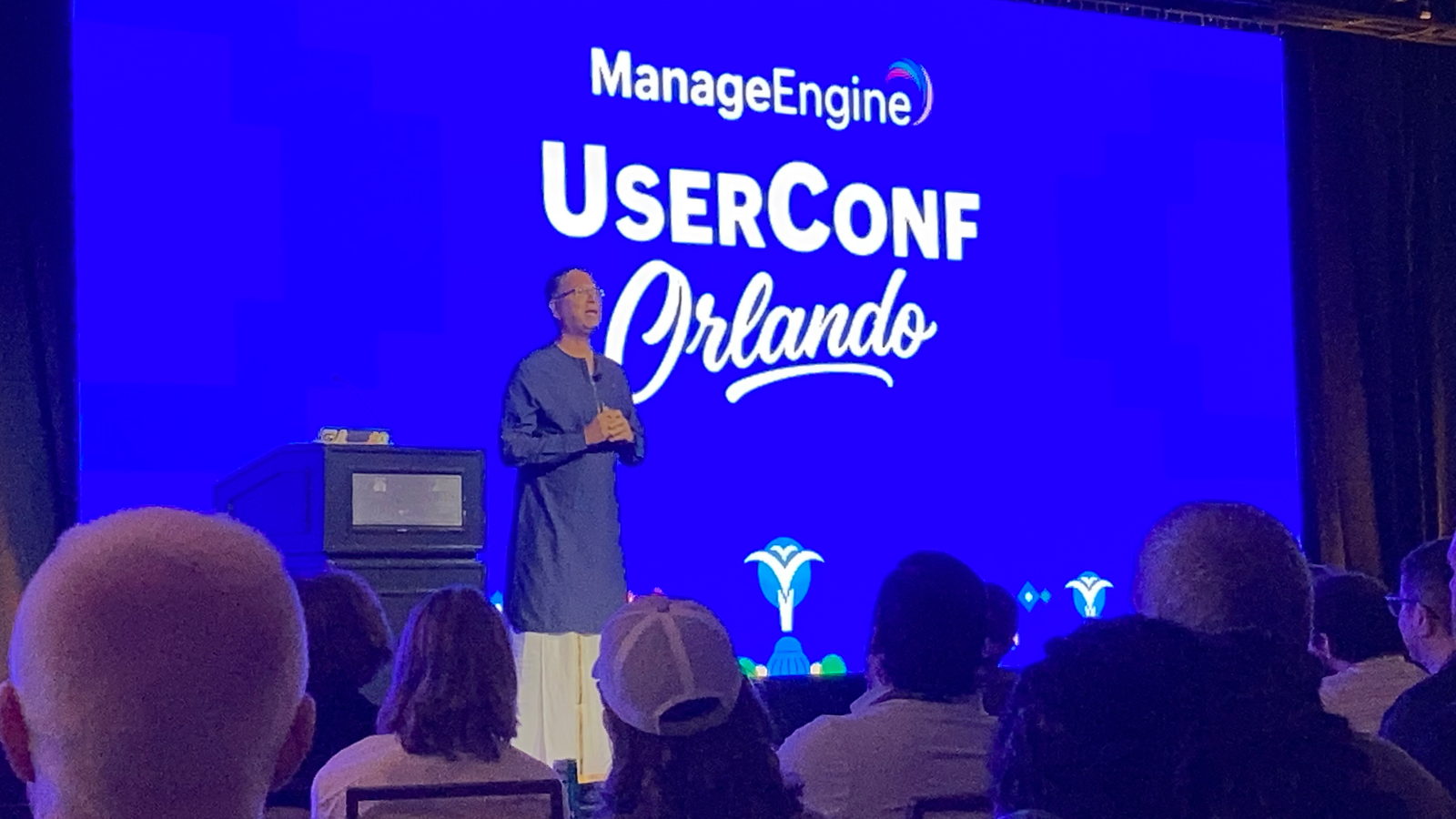
I attended ManageEngine’s User Conference in Orlando last week as press for The Stack Observer, looking to better understand how the company sees the next phase of enterprise IT. I left with a clear message: the digital transformation journey is moving toward an AI-driven autonomous enterprise, and AI security is a central hurdle along the way.
That ambition provided plenty to consider during my interviews with ManageEngine leadership. But one of the conference’s most memorable moments came from a speaker whose journey took her into the cockpit of the U-2 spy plane.
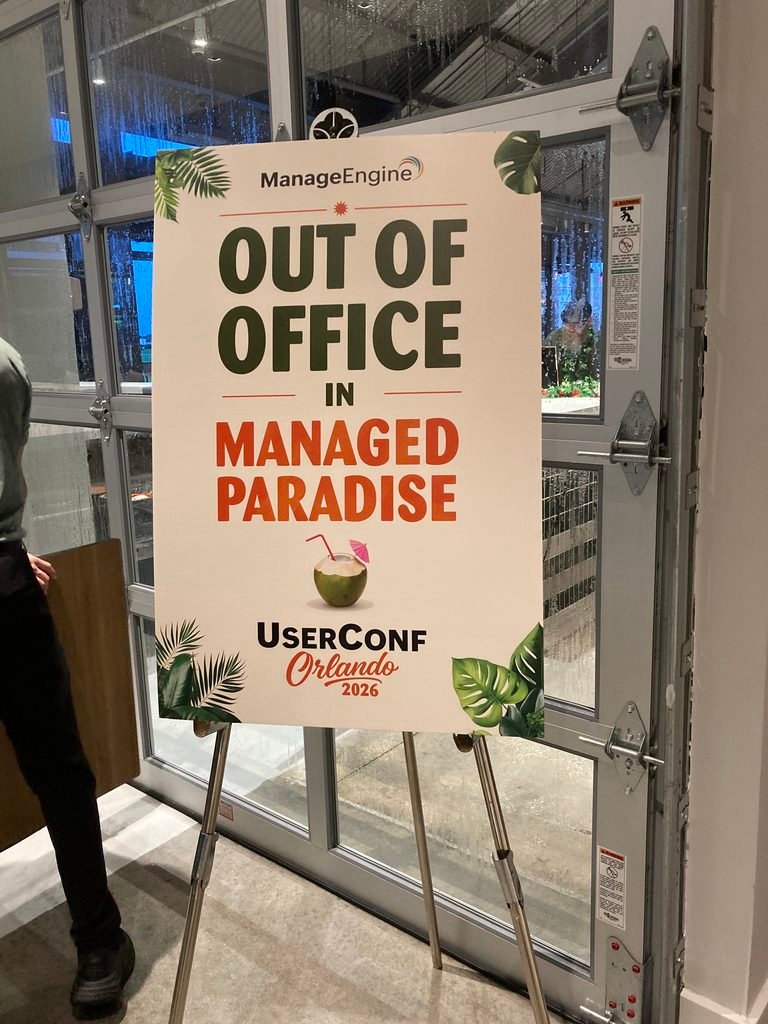
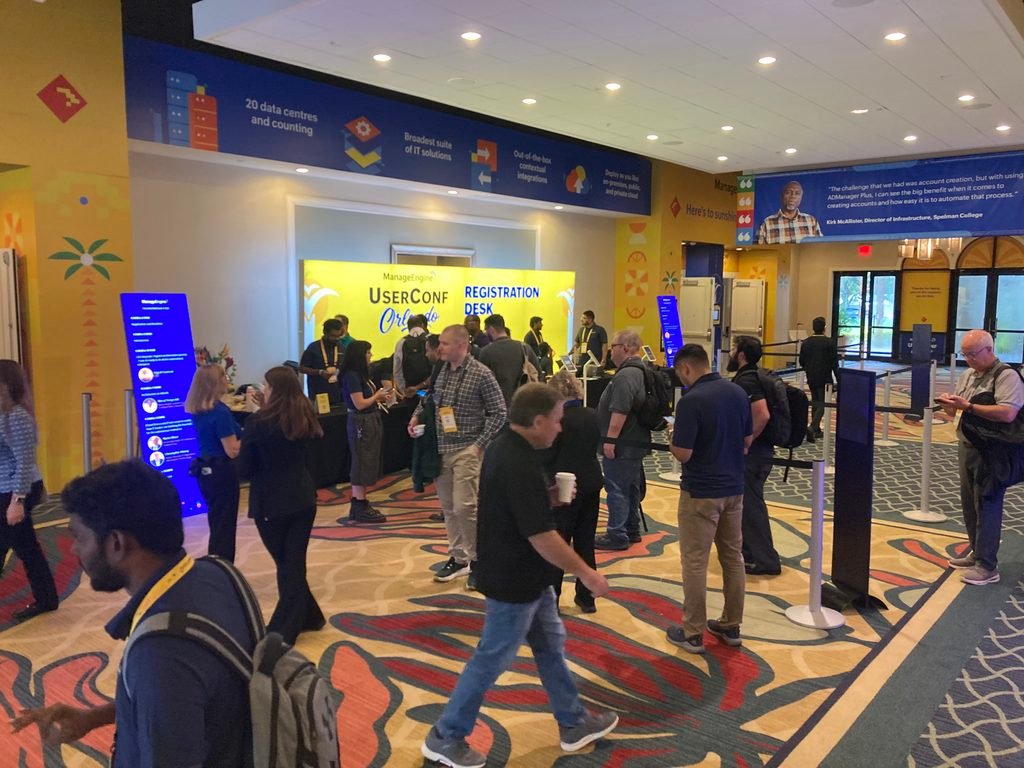
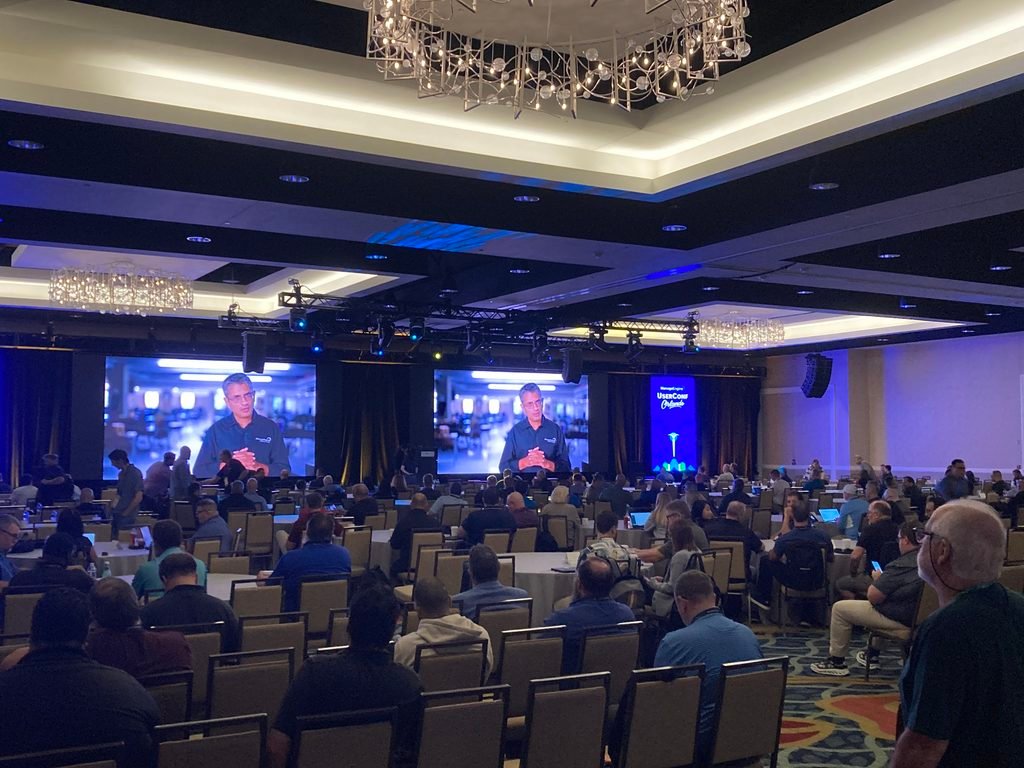
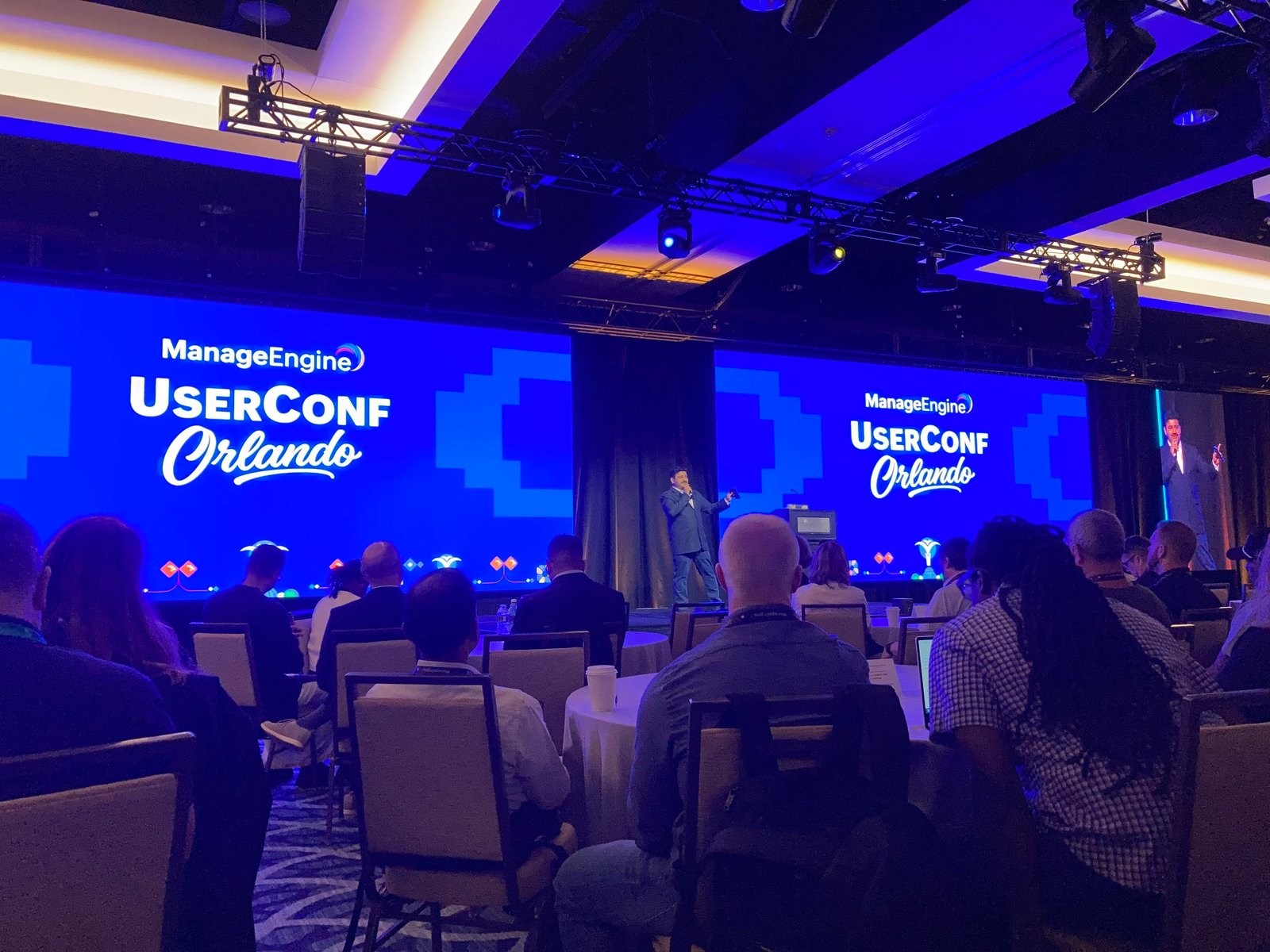
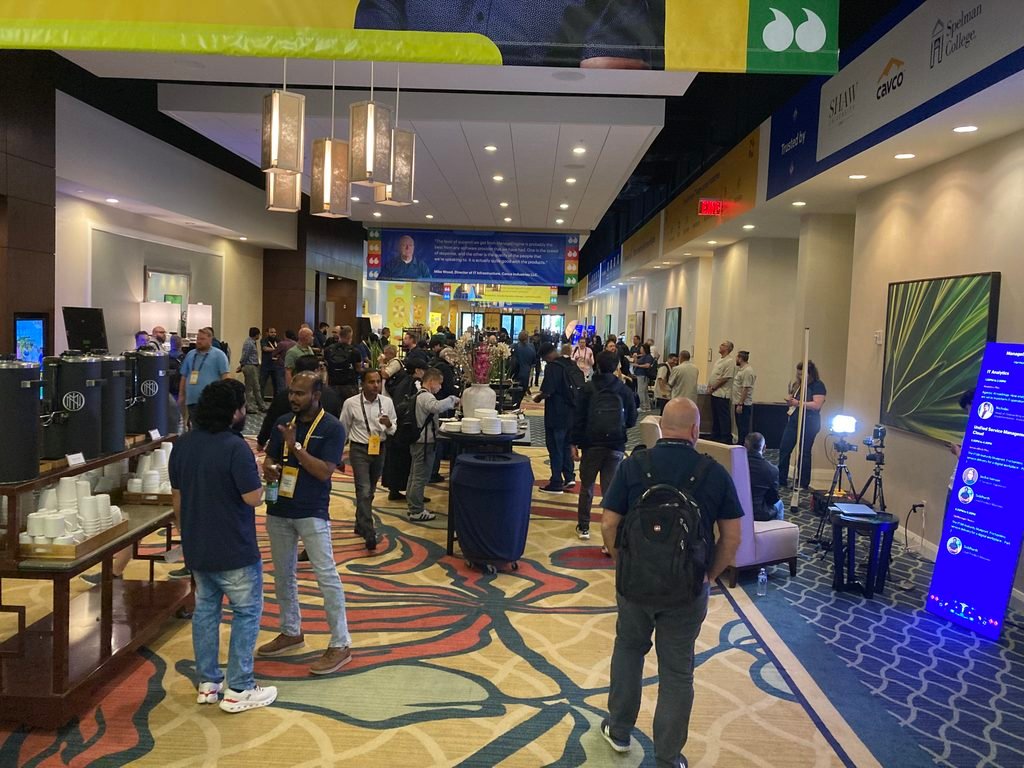
The October 8–9 conference at the Omni Orlando Resort at ChampionsGate featured leadership discussions, product roadmaps, technical workshops, and opportunities to meet with product experts. ManageEngine’s conference overview
For me, the value was in hearing directly from the people shaping the company’s direction—and considering what that direction means for businesses still figuring out how to incorporate AI into their operations.
Merryl Tengesdal: From Star Trek to the U-2
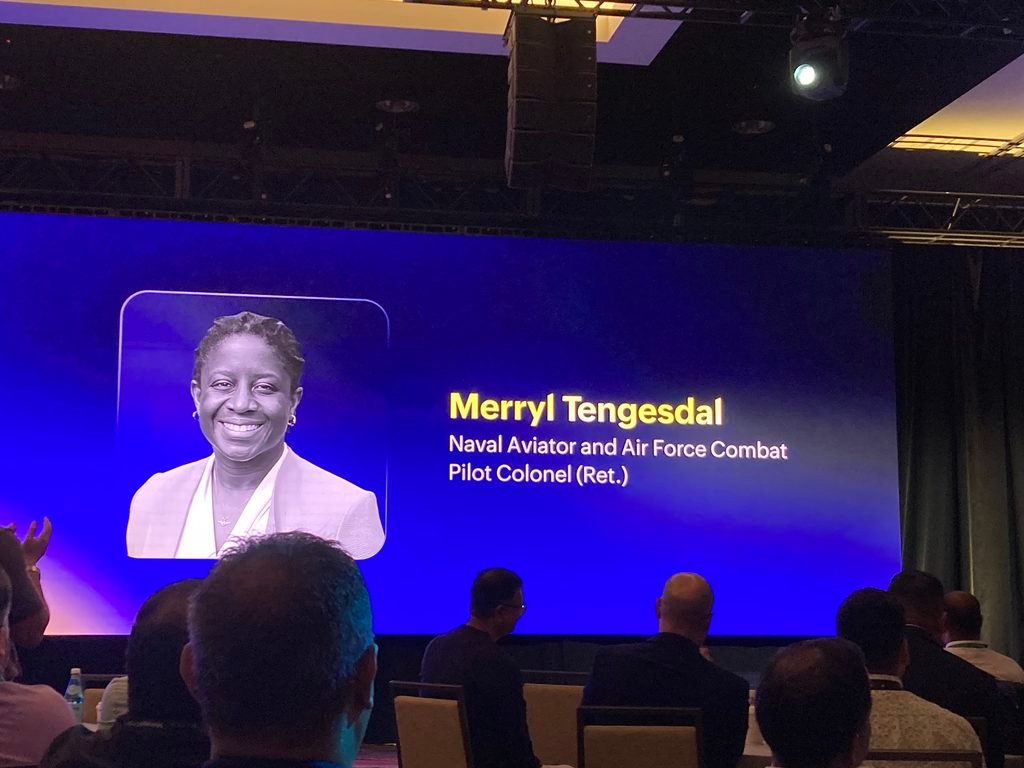
Guest speaker Colonel Merryl Tengesdal, a retired Air Force combat pilot, made a particularly strong impression on me. Her defining aviation achievement was flying the U-2 “Dragon Lady”, the high-altitude reconnaissance aircraft widely known as a spy plane. She is the first and only African American woman to have flown it. Merryl Tengesdal’s official biography
That accomplishment deserves a moment of consideration. Her career took her from flying Navy helicopters and serving as an instructor to piloting an aircraft at approximately 70,000 feet, wearing a full pressure suit. Her flying record includes more than 1,000 hours in the U-2—a remarkable measure of experience in such a demanding aircraft. Merryl’s flying career
Yet what made her keynote especially memorable to me was how familiar some of her early inspirations felt.
Tengesdal is about my age, and as she talked about what made her want to become a pilot, she described her enthusiasm for Star Trek. She also spoke about her early love of computers, including the Commodore VIC-20. Those details immediately resonated with my own experiences.
Hearing someone with such an extraordinary career describe those shared interests created an unexpected connection. I recognized the curiosity: the fascination with what technology could do and the possibilities that science fiction encouraged us to imagine.
Her path ultimately led to the U-2 cockpit. Listening to her, I found myself reflecting on how early interests can shape a lifetime—and how much determination it takes to turn an ambitious idea into an accomplishment of that scale.
The journey from AI-ready to AI-driven
During the conference, I interviewed Rajesh Ganesan, CEO; Rakesh Jayaprakash, Director of Product Management; and Romanus Prabhu Raymond, Director of Technology.
A central message from my conversation with Ganesan was the digital transformation journey from an AI-ready organization to an AI-driven autonomous enterprise. That framing became my main takeaway from Orlando.
I see a substantial distance between preparing a business to use AI and trusting AI to take on a meaningful role in running its operations. Readiness establishes the foundation. Moving toward autonomy raises deeper questions about how work gets done, how decisions are made, and how responsibility is maintained.
My impression is that many companies are still early in that journey. They are working through where AI fits, what value it can deliver, and what needs to change before it becomes a dependable part of the business.
The autonomous enterprise sets a much more ambitious destination. To me, it suggests a future in which AI can carry work forward across business processes, with people establishing objectives, boundaries, and oversight.
That makes this a broader transformation than adopting another software feature. It requires organizations to think carefully about the relationship between their technology, their processes, and the people accountable for the results.
AI security is a central hurdle
The ambition to become an AI-driven autonomous enterprise also brings the security challenge into sharper focus.
In my conversation with Ganesan, AI security emerged as a central hurdle on that journey. It becomes more consequential as organizations consider giving AI greater access to information and more authority to act.
My interview with Gary Berman, host of the Cyber & AI Hero Adventures Show, brought a personal dimension to that discussion. Berman shared how cybercrime cost him his business and forced him to lay off more than 100 employees. His experience put the consequences of security failures into human terms: lost livelihoods, disrupted lives, and the loss of a business he had worked to build.
What stood out to me was how he responded. Determined not to be defined by being a victim, Berman became a cybersecurity advocate. Through his show and the Cyber Hero Network’s educational storytelling, he helps make complex security issues more accessible and brings attention to the people working to protect others. The Cyber Hero Network’s origin story
His experience reinforced for me why security must be central to the transformation journey. As businesses give AI a greater role in their operations, they need to understand what they are entrusting to those systems—and what could be at stake if safeguards fail.
For me, this is where the vision of an autonomous enterprise meets some of its hardest practical questions. What information should an AI system be allowed to access? Which actions can it take independently? When should a person approve a decision? How can an organization review what happened and intervene when necessary?
These are the questions I take from those conversations, and they will help guide my reporting as this transition develops.
Ganesan’s message outlined the journey toward an AI-driven autonomous enterprise. Berman’s story gave me a concrete reason to keep the human consequences of security failures in view. Progress toward autonomy will require confidence that the systems supporting a business can also protect the people who depend on it.
What I’m taking away from Orlando
ManageEngine UserConf 2026 left me with a compelling destination to watch: the AI-driven autonomous enterprise. My interviews also reinforced how much work remains between that vision and the reality inside businesses that are still developing their AI capabilities.
The question I will keep asking is how organizations make that transition securely. What gives them the confidence to move from readiness and experimentation toward greater autonomy?
Merryl Tengesdal’s keynote stayed with me for a different, more personal reason. Her story connected the familiar excitement of Star Trek and the Commodore VIC-20 with the extraordinary achievement of flying the U-2. It was a memorable reminder of where curiosity, ambition, and sustained effort can lead.
I left Orlando with a greater understanding of ManageEngine’s products and its goals for helping customers achieve an AI-driven autonomous enterprise.